

Are you confused about the difference between a USB data cable and a charging cable in Canada? Usb Data Cable Vs Charging Cable.
Many people use these cables every day but don’t realize how they affect your device’s performance. Choosing the right cable can save you time, protect your gadgets, and even improve charging speed. Keep reading to discover what sets these cables apart and find out which one is best for your needs.
This simple knowledge could make a big difference in how you use your devices.
Types Of Usb Cables
USB cables come in different types. Each type serves a specific purpose. Understanding these types helps you pick the right cable. This guide explains the main types of USB cables used in Canada.
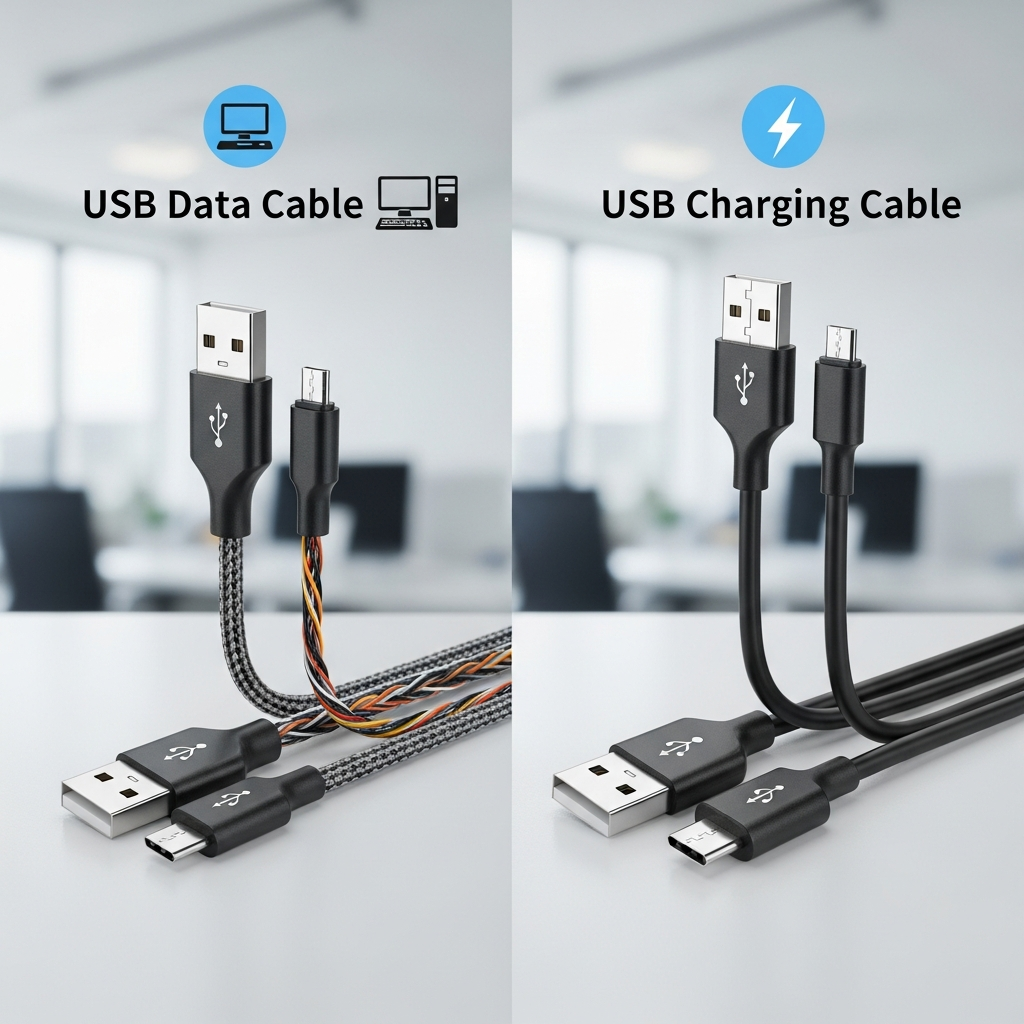
Data Cables
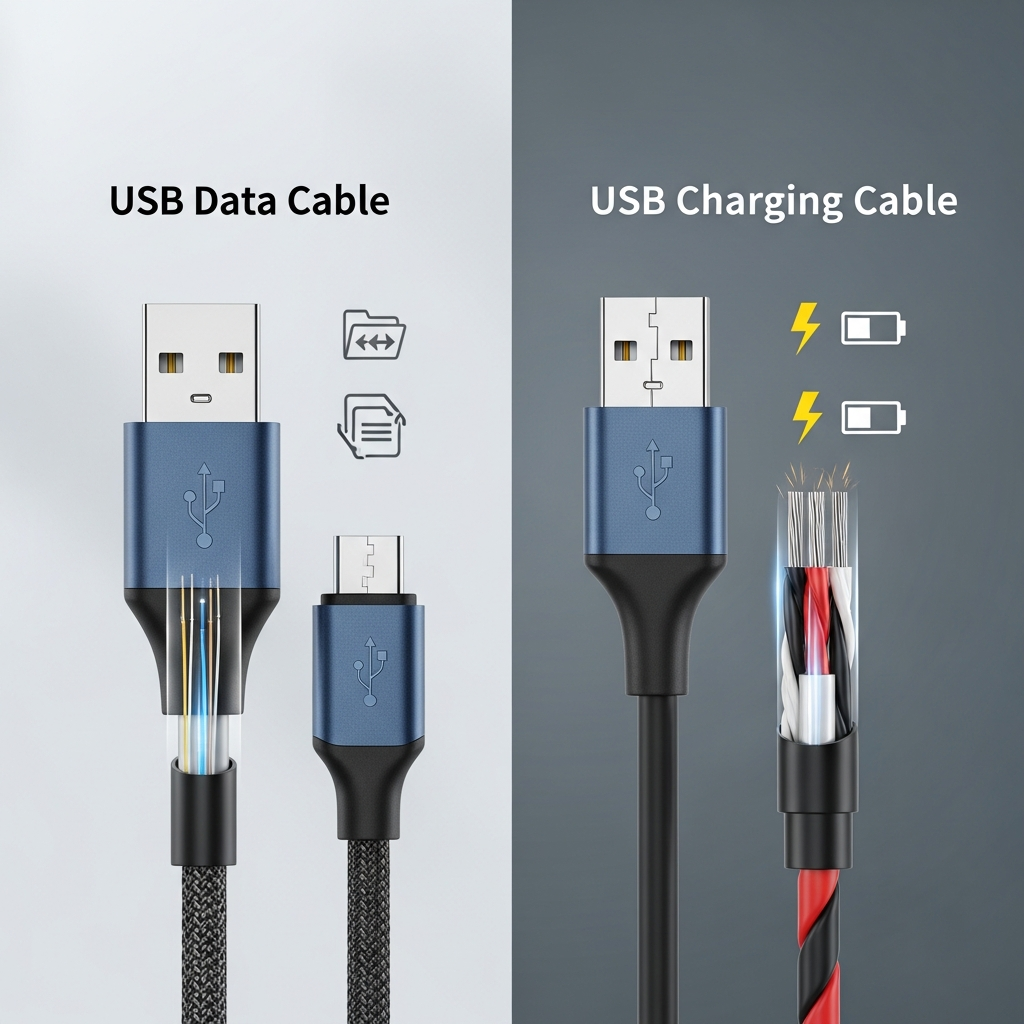
Data cables transfer information between devices. They connect smartphones, cameras, and computers. These cables support fast data transfer speeds. USB 2.0, 3.0, and newer versions offer better speed. They also allow syncing files and updates.
Data cables usually have thicker wires inside. This helps carry both power and data signals. You can use data cables for charging too. But their main role is data transmission.
Usb Charging Cable for Cars Canada: Fast, Reliable Charging Solutions Reviewed
Charging Cables
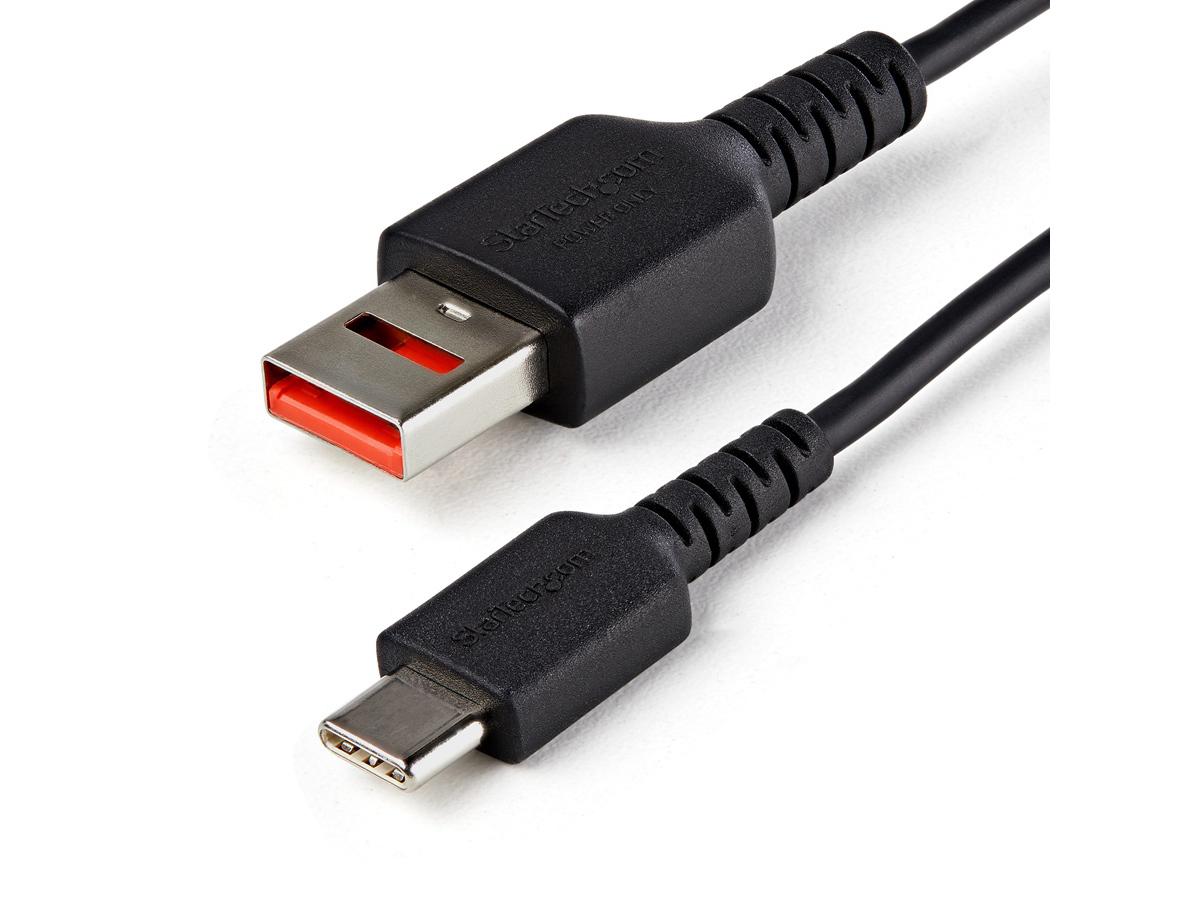
Charging cables mainly supply power to devices. They have wires designed to carry higher current safely. These cables often do not support data transfer. Some look similar to data cables but lack data wires.
Charging cables come with different power ratings. This affects how fast your device charges. Using the correct cable can protect your device’s battery. Many chargers in Canada use USB Type-C for fast charging.

Credit: shop.hak5.org
Cable Construction And Design
Cable construction and design play a big role in how well a USB data cable or charging cable works. The materials inside and the shape of the connectors affect speed, durability, and safety. In Canada, these factors matter because weather and usage can change cable performance. Understanding the differences helps you pick the right cable for your needs.
Wire Composition
Good cables use copper wires for better power and data flow. Copper is a strong conductor. Data cables often have more wires inside to send information and charge at the same time. Charging cables may use fewer wires because they only need to carry power. Some cables add extra layers like shielding to stop interference. This helps keep data signals clear. Quality cables have thick insulation to protect the wires from damage.
Connector Types
Connectors link your cable to devices. USB cables come with different connector types. USB-A is common for many devices in Canada. USB-C is newer and faster, used in most new phones and laptops. Micro-USB still appears on some older devices. Charging cables might only have one connector type. Data cables often have USB-C, USB-A, or Lightning connectors to fit many devices. Strong connectors last longer and stay plugged in without loose fits.
Data Transfer Capabilities
Data transfer capabilities differ between USB data cables and charging cables. These differences affect how fast and smoothly files move from one device to another. Understanding these can help you pick the right cable for your needs.
Usb Charging Cable for Cars Canada: Fast, Reliable Charging Solutions Reviewed
Speed Variations
USB data cables usually support faster transfer speeds than charging cables. Some data cables handle speeds up to 10 Gbps or more. Charging cables often only carry power, not data, so their speed is zero for transfers. Using a data cable saves time when moving photos, videos, or documents.
Compatibility With Devices
Data cables work with many devices like smartphones, tablets, and computers. They support different USB standards such as USB 2.0, 3.0, or USB-C. Charging cables may not connect properly if they lack data pins. Choosing a compatible cable ensures your device can send and receive files without issues.
Credit: wacomstore.ca
Charging Performance
When it comes to your choice between USB data cables and charging cables in Canada, charge performance makes all the difference. It dictates how quickly your devices charge, and how power-efficient they are. Knowing that should help you decide which cable is right for your needs. Power delivery and charging speed are other factors to keep in mind.
Power Delivery Standards
Power delivery standards specify how much power a cable can carry. Most USB data cables limit standard charging to 500mAH. Cables can be designed to support advanced standards such as USB Power Delivery (USB PD). Just changes power transfer with USB PD, just problems. USB PD cables are capable of charging laptops, tablets and phones fast. Charging grinds to a halt, or simply slows down, in the absence of norms.
Charging Speeds
Charging time varies on the cord and the device’s charge. Most data cables charge at slow speeds. Charging wires are designed to support higher current so that you can have quicker charging. An effective charging cord can be important in significantly cutting down the time required for your phone to charge. It could be slightly different if you charge with data cable. The right cable can make a daily difference in how you use your devices.
Common Use Cases In Canada
In Canada, both USB data cables and charging cables serve important roles. Each cable type fits specific needs based on daily tasks and tech use. Understanding their common use cases helps Canadians choose the right cable for their devices.
Everyday Device Charging
Most Canadians use charging cables every day. These cables power smartphones, tablets, and other gadgets. They connect devices to wall adapters or power banks. Fast charging is key for busy lifestyles. A reliable charging cable ensures your device is ready quickly.
Usb Charging Cable for Cars Canada: Fast, Reliable Charging Solutions Reviewed
Charging cables are simple. They mainly deliver power, not data. This makes them perfect for safe, steady charging at home, work, or on the go. Their wide availability matches the high demand for everyday power needs.
Data Syncing Needs
USB data cables go beyond charging. They move files between devices and computers. Canadians use them to transfer photos, videos, and documents. Data syncing is crucial for work, school, and personal use.
These cables support tasks like backing up data and updating software. They keep devices connected to printers, cameras, and other tech. Data syncing cables combine power delivery and data transfer in one cord. This dual function makes them versatile and essential for many users.
Choosing The Right Cable
Choosing the right cable matters for both data transfer and charging. Different cables serve different purposes. Picking the correct one can save time and protect your devices. This guide helps you understand what to consider before buying a cable in Canada.
Assessing Your Needs
Think about what you want the cable to do. Need fast charging or quick data transfer? Some cables only charge devices. Others support both charging and data. Check device compatibility. Some phones and gadgets require specific cables. Match the cable type with your device’s port. USB-C, Micro-USB, or Lightning connectors are common. The right cable matches your daily use and device type.
Quality And Safety Considerations
Choose cables with good build quality. Poor cables can damage your device or slow charging. Look for cables with strong connectors and thick insulation. Certified cables meet safety standards and protect your device. Avoid cheap, unbranded cables. They often overheat or break easily. A quality cable lasts longer and works reliably. Safety should be a top priority when buying cables in Canada.
Popular Brands And Availability In Canada
Popular brands and product availability shape the choice of USB data cables and charging cables in Canada. Consumers want reliable brands that offer quality and good performance. Canadian stores and online shops stock many well-known names. These brands compete by offering cables that meet different needs, from fast charging to data transfer.
Choosing the right cable depends on trust in the brand and easy access to products. Here is a look at some popular brands and their availability in Canada.
Samsung Usb Data And Charging Cables
Samsung is a leading brand in mobile accessories. Their cables work well with Samsung phones and other devices. Canadian stores like Best Buy and Amazon Canada carry Samsung cables. These cables offer fast charging and solid data transfer speeds. They often come with durable designs for long use.
Anker Cables In Canada
Anker is known for making strong and reliable cables. Their products suit both charging and data needs. Anker cables are available online and in retail shops across Canada. Many users trust Anker for consistent performance and good value. Their cables come with extra features like tangle-free designs.
Apple Lightning And Usb-c Cables
Apple cables are essential for iPhones and iPads. Canadian Apple stores and authorized dealers stock these cables. Apple cables ensure compatibility and fast charging with Apple devices. They also support quick data syncing. Genuine Apple cables usually cost more but offer peace of mind.
Belkin Cable Options In Canada
Belkin provides a wide range of cables, including USB data and charging options. Their products are popular for durability and safety. Belkin cables are sold in many Canadian electronics stores. They are tested to meet high standards. Buyers can find cables compatible with various devices.
Usb Charging Cable for Cars Canada: Fast, Reliable Charging Solutions Reviewed
Availability Through Online Retailers
Online shops like Amazon.ca, Newegg, and Walmart.ca offer many cable brands. Buyers enjoy the convenience of home delivery and customer reviews. These platforms stock cables for many devices and budgets. Online availability expands options beyond local stores. Customers should check product descriptions carefully before buying.
Credit: shop.hak5.org
Frequently Asked Questions
What Is The Difference Between Usb Data And Charging Cables?
USB data cables transfer both power and data, while charging cables only supply power. Data cables enable file transfers, syncing, and device communication. Charging cables focus solely on powering devices without supporting data exchange.
Can I Use A Charging Cable For Data Transfer?
No, charging cables usually lack data wires, so they cannot transfer files. They only provide electrical current to charge devices. For data transfer, use a USB data cable specifically designed for both power and data.
Are Usb Data Cables More Expensive In Canada?
USB data cables can be slightly more expensive in Canada due to import costs and taxes. Prices vary by brand and quality. However, investing in a good data cable ensures reliable charging and data transfer.
How Do I Identify A Usb Data Cable In Canada?
Look for labels stating “data transfer” or “sync” on the packaging. Data cables often have more wires inside and are thicker than charging-only cables. Checking product specifications online helps confirm if the cable supports data functions.
Conclusion
Choosing the right cable matters for your device’s needs. Data cables transfer files and charge devices too. Charging cables mainly provide power without data transfer. Knowing the difference helps you buy the best cable. In Canada, quality and compatibility are important factors.
Use the correct cable to avoid slow charging or errors. Keep your devices safe and working well. A simple choice can save time and frustration. Always check what your device supports before buying. This small step ensures smooth and fast performance.