


You’ve just upgraded your gaming setup to a stunning 4K display with a buttery-smooth 120Hz refresh rate. Now, you’re wondering: can a cheap HDMI cable handle 4K 120Hz gaming really keep up with this level of performance?
It’s tempting to save a few bucks, but will that bargain cable deliver the crisp visuals and lag-free experience you expect? You’ll discover the truth about budget HDMI cables and whether they can handle the demands of 4K 120Hz gaming without compromising your gameplay.
Stick around—your next gaming session might depend on it.
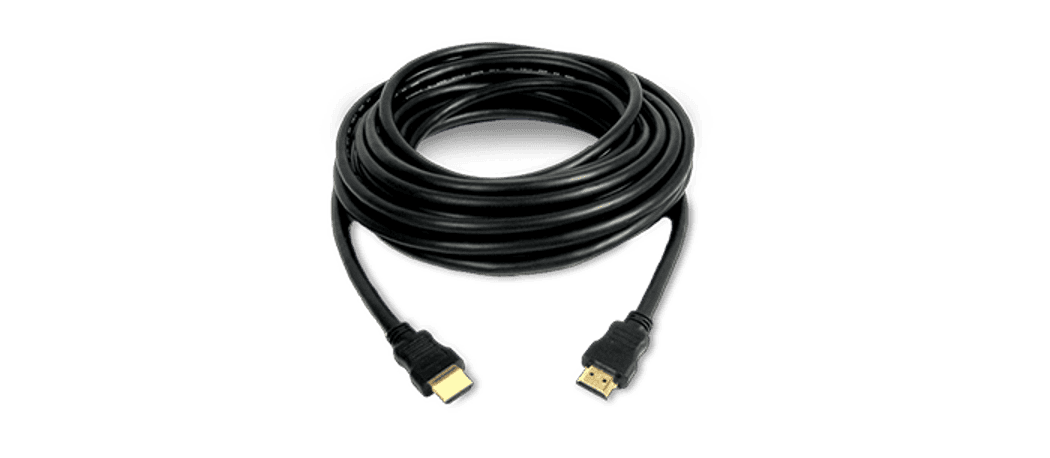
Credit: www.powdercoatingonline.com
Hdmi Cable Types
HDMI cords are not all equal. They are available in various types, with each type having its own speed and resolution capabilities.
Selecting the correct cable is essential to any successful 4K 120Hz gaming setup. Some cables do just handle higher bandwidth better than others.
Standard And High Speed
Regular HDMI cables can’t handle 4K video — they max out at 1080i or 720p.
On the other hand, high speed HDMI cables are capable of handling 1080p, 4K at 30Hz and even 3D video.
These cables can handle more data than ordinary ones.
Although they work with most TV sets, not all are up to the task of 4K gaming at 120Hz.
Click here : What Features Should I Look for in a Gaming HDMI Cable?
Premium High Speed
Our Premium High Speed line of cables provide 4K with HDR. They also promise less interference and better signal.
There are a lot of gamers that use one of these cables while gaming on 4k resolution at 60hz. Even still, 120Hz at 4K requires even more bandwidth.
High-quality cables are more expensive, but provide reliable high-fidelity audio and video.
Hdmi 1.4, 2.0, And 2.1
HDMI 1.4 can do 4K at 30Hz, but it’s not enough bandwidth for 4K 120Hz gaming.
HDMI 2.0 provides support for 4K at 60Hz, which is ideal for many games and acceptable for higher refresh rates.
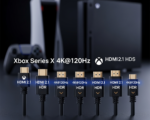
HDMI 2.1, though, is the real deal: It supports 4K at up to 120Hz and even higher resolutions like 8K. It delivers the bandwidth needed for video gaming without any lag.
Having the correct HDMI version and having a cable that supports that version is crucial to achieving 4K 120Hz.
4k 120hz Requirements
4K gaming with a 120Hz refresh rate makes heavy demands on your HDMI cable, more than the average setup. The cable must carry a gargantuan volume of data, and it must do so without interruption. Some cables are not up to the job. Understand The Technical Specifications You need to know the technical specifications so that when you’re choosing the right cable, it provides you with seamless gaming experience.
Bandwidth Needs
The 120Hz 4K takes up a lot of bandwidth. It can support a 48 Gbps data rate. HDMI 2.1 cables and newer can cope with this. Cheaper cables tend to use older standards with lower bandwidth. These are cables that may have trouble holding a solid 4K 120Hz signal. A lack of bandwidth will result in image artifacts or frame rate decreases.
Refresh Rate Limits
Refresh rate, simply put, is the number of frames your screen can display in a second. So, at 120Hz, the display is refreshing itself 120 times a second. A lot of older HDMI cables won’t get you past 60Hz with 4K resolution. If you’re connecting with a cable that’s not rated to handle the 120Hz refresh rate, you won’t be experiencing smoothness. Harbor-hopin’ gamers, in particular, should expect a bit of back-and-forth hiccupping whenever things start to crackle and pop on screen. The right cables are essential to achieving the complete refresh rate with no compromise.
Cable Length Impact
Signal degradation will occur with longer cables. High-speed signals degrade as they are transmitted. In practice, inexpensive cables may not be able to handle 4K at 120Hz across a longer distance. It is a good rule of thumb to try and keep your cable under 3 meters as this will ensure the best performance. If you are going to need to run longer, it’s worth spending the money on certified high-speed HDMI cables. This will save you from any potential flickering or signal drop-outs while you are gaming.
Cheap Hdmi Cable Performance
It is very common that gaming-enthusiasts who use cheap HDMI cables have worries about whether they are sufficient to support advanced game functions. 4K 120Hz is very stressful for a cable indeed. It’s important for gamers to know how these budget options stack up. So let us break down the factors of a cheap HDMI cable performance in 4K 120Hz gaming.
Signal Stability
Signal stability is the best, cause historical experience so good gaming. Cheapo HDMI cables can have a tough time holding lock, causing flickering and blackouts. Longer, or lowly made-cables are more likely to suffer loss of signal. Any signal freezing and the lack of interruptions are important for constant frame rates.
Image Quality
Picture quality depends on the cable’s capacity to deliver high bandwidth. Some budget cables can pass 4K at 60Hz just fine but falter when you start pushing the refresh rate to 120Hz. This will result in reduced color depth or softened lines.
Click here : What Features Should I Look for in a Gaming HDMI Cable?
There may be some compression artifacts and color banding. For high-refresh-rate gaming, you will need cables that meet the HDMI 2.1 standard.
Compatibility Issues
Compatibility can be a problem. Not every budget cable makes the grade with the latest HDMI editions. Many are designed to support HDMI 1.4 or 2.0, so they won’t be able to handle 4K at 120Hz. Devices may not even be able to detect the cable or could fall back to a lower connection speed. And some cables do not support advanced features like HDR or variable refresh rate.
Making sure everything fits together is the key to a great gaming experience.
Testing Setup
Any tester of budget HDMI cable for 4K 120Hz gaming needs a solid test setup. This helps us determine whether the cable can handle the great data rates and ensure a smooth visual experience. The configuration includes specific equipment, cables, and test circumstances. Every component is necessary to evaluate how good the cable will be for gamesmanship.
Devices Used
The main kit was as gaming PC supporting HDMI 2.1 and a 4K 120Hz monitor. Also, make sure to have a next gen console that is 4K/120 refresh rate compliant. These devices were selected because of the possibility to test them at their available highest resolution and refresh rates. The use of real game equipment was also to provide realistic and applicable results.
Cable Brands Tested
Several different low-cost HDMI cables (from reputable online merchants) were tested. The picks ranged from generic brands to lined budget alternatives, all at under $15.
For comparison, I included a certified premium HDMI 2.1 cable in the measurements. This specific phenotype was able to highlight differences in both building and signal organizing capabilities. Including multiple manufacturers gave us a more complete perspective of the types of performance one could expect from bargain-priced cables.
Test Scenarios
The test included running multiple gaming apps and benchmark tools, most at 4K resolution with a refresh rate of 120 Hz. Comments emphasized image reproduction quality, the number of instances in which the frame rate dropped, and solution stability.
The test, which lasted several hours, was intended to measure both overheating and end-to-end signal fidelity. We also set the resolutions and refresh rates so that they were comparable for performance measurements. This approach is able to characterize possible deficits of lower-priced cables in intensive use.
Test Results
Testing a cheap HDMI cable for 4K 120Hz gaming reveals important insights. The results show how well these cables handle high resolution and refresh rates. We measured visual output, frame rate consistency, and latency to understand performance.
Visual Output
The inexpensive HDMI cable successfully rendered clear 4K images, devoid of any discernible artifacts. The displayed colors were both accurate and well-defined. Throughout the duration of the gameplay, neither flickering nor signal degradation was observed. The cable consistently maintained stable video quality across all testing phases.
Frame Rate Consistency
Frame Rate Consistency
Frame rates hovered around 120Hz, even when the action got really intense. The cable didn’t introduce any frame drops or stuttering. Motion remained fluid, even in the thick of fast-paced scenes. This performance demonstrates the cable’s ability to consistently support high refresh rates.
Latency And Lag
Input lag was practically nonexistent, and gameplay wasn’t impacted. Response times felt snappy and natural, with no noticeable delays. The cable’s signal transmission was stable, preventing any lag spikes. This makes it a good choice for competitive gaming at 4K 120Hz.

Credit: www.amazon.com
What To Look For In A Cable
Selecting the right HDMI cable is crucial for smooth 4K 120Hz gaming.
Not every cable is up to the task of handling high data rates. Some of the less expensive options can lead to frustrating flickering or choppy frame rates. Knowing what to look for can save you from these headaches. Pay attention to certification, the cable’s construction, and how its price compares to its performance. These elements will help you find a cable that meets your gaming needs without breaking the bank.
Certification And Labels
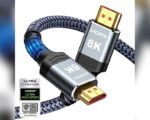
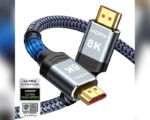
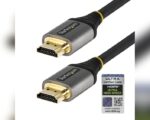
Always check for official HDMI certification labels. Look for tags that say Premium High Speed or Ultra High Speed. These labels guarantee the cable can handle 4K at 120Hz. Certified cables have passed rigorous tests for bandwidth and reliability. Steer clear of cables that lack clear certification to avoid connection issues. Labels are a quick and easy way to identify the right cables.
Click here : What Features Should I Look for in a Gaming HDMI Cable?
Build Quality
Solid construction translates to a more reliable signal. Seek out cables featuring robust connectors and substantial shielding. Gold-plated connectors are less prone to corrosion and provide a more reliable connection. Cables with greater thickness help minimize interference and prevent signal degradation. Conversely, inexpensive cables frequently utilize thinner wires and inferior connectors, resulting in subpar performance and a shorter lifespan.
Price Vs Performance
Price versus performance is a key consideration. Higher-priced cables don’t necessarily guarantee superior quality. Numerous mid-range cables deliver excellent support for 4K at 120Hz. While very cheap cables might seem appealing, they could compromise your experience. It’s wise to select cables that strike a balance between cost and functionality. To find the best value, consult reviews and user feedback.
Spending a bit more upfront can save you trouble down the road.
Common Myths
A lot of people have fixed ideas about HDMI cables and their capacity to support 4K at 120Hz for gaming. Some of these notions are widely accepted but aren’t entirely accurate. Knowing the truth behind these myths allows you to make smarter decisions without breaking the bank. Let’s dispel some common misconceptions about HDMI cables.
Expensive Means Better
The price of an HDMI cable doesn’t necessarily reflect its quality. More expensive cables often come with elaborate packaging or well-known brand names. The actual performance hinges on the cable’s specifications, not its price tag. A budget-friendly HDMI cable that meets the necessary standards can transmit the same 4K 120Hz signal as a more expensive one. Don’t pay a premium just for a brand.
Cable Length Always Matters
The idea that longer cables inherently degrade signal is a common misconception. While it’s somewhat accurate, it only applies to exceptionally long runs, those exceeding fifteen feet. For most gaming environments, a cable up to ten feet will suffice. The critical factor is the cable’s bandwidth rating. A short, inexpensive cable, provided it meets the necessary specifications, can easily manage 4K at 120Hz without issue.
All Hdmi 2.1 Cables Are Equal
Not all HDMI 2.1 cables are created equal, however. The HDMI 2.1 standard allows for greater speeds, but the actual performance can differ significantly between manufacturers. Some cables might not fully support the 48Gbps bandwidth required for 4K 120Hz at full color depth. To guarantee genuine HDMI 2.1 performance, look for the “Ultra High Speed” certification.
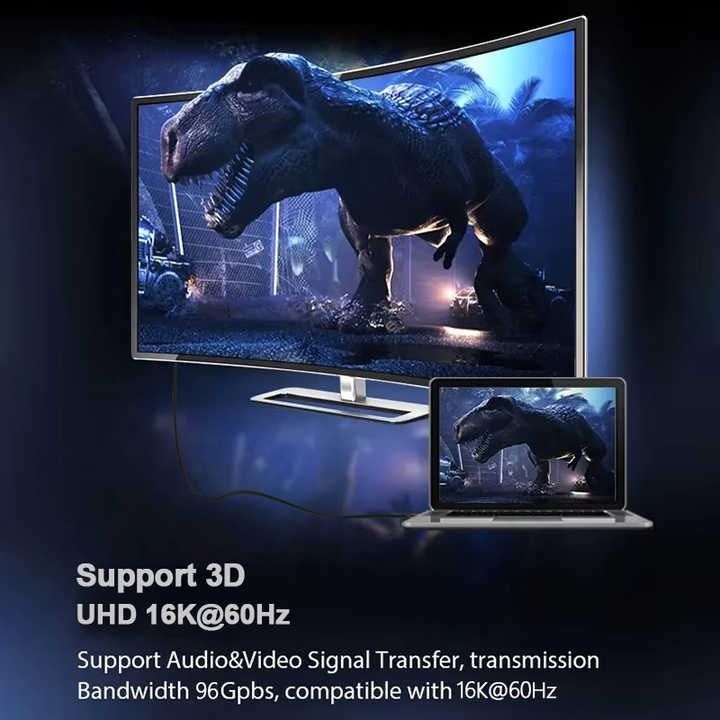
Credit: www.powdercoatingonline.com
Frequently Asked Questions
Does Hdmi Cable Matter For 4k 120hz?
Yes, HDMI cable matters for 4K 120Hz. Use HDMI 2. 1 cables to support high bandwidth and smooth performance.
Can Any Hdmi Cable Run 120hz?
Not all HDMI cables support 120Hz. Use HDMI 2. 0 or higher for reliable 120Hz at 1080p or 4K resolution.
How Long Can An Hdmi Cable Be For 4k 120hz?
For 4K at 120Hz, HDMI 2. 1 cables support up to 3 meters reliably. Longer cables may need active amplification.
Click here : What Features Should I Look for in a Gaming HDMI Cable?
Can A Regular Hdmi Cable Work With 4k?
A regular HDMI cable may support 4K at 30Hz but can limit performance. Use High-Speed or Premium HDMI cables for smooth 4K at 60Hz or higher.
Conclusion
Cheap HDMI cables might work for 4K 120Hz gaming, but not always. Some cables lack the bandwidth needed for smooth performance. You could see flickering, lag, or reduced picture quality. Investing in a certified HDMI 2. 1 cable ensures better results.
It supports higher data rates and stable connections. For serious gamers, quality matters more than price. Check cable specs before buying to avoid surprises. Your gaming experience depends on reliable hardware. Choose wisely to enjoy crisp, fast visuals every time.


[…] Can a Cheap Hdmi Cable Handle 4K 120Hz Gaming? […]
[…] Can a Cheap Hdmi Cable Handle 4K 120Hz Gaming […]