

You’ve invested in a powerful gaming setup, but have you ever stopped to think about the HDMI cable connecting your console or PC to your display? It might seem like a small detail, but the quality of your HDMI cable Quality Affect Gaming Performance can directly impact your gaming experience.
From crisp visuals to smooth frame rates and minimal lag, a poor cable can hold your performance back without you even realizing it. You’ll discover how HDMI cable quality affects your gaming, what to look for when choosing one, and how upgrading your cable could be the simple fix that takes your gameplay to the next level.
Ready to unlock your system’s full potential? Keep reading.
Credit: www.benq.com
Hdmi Versions And Gaming
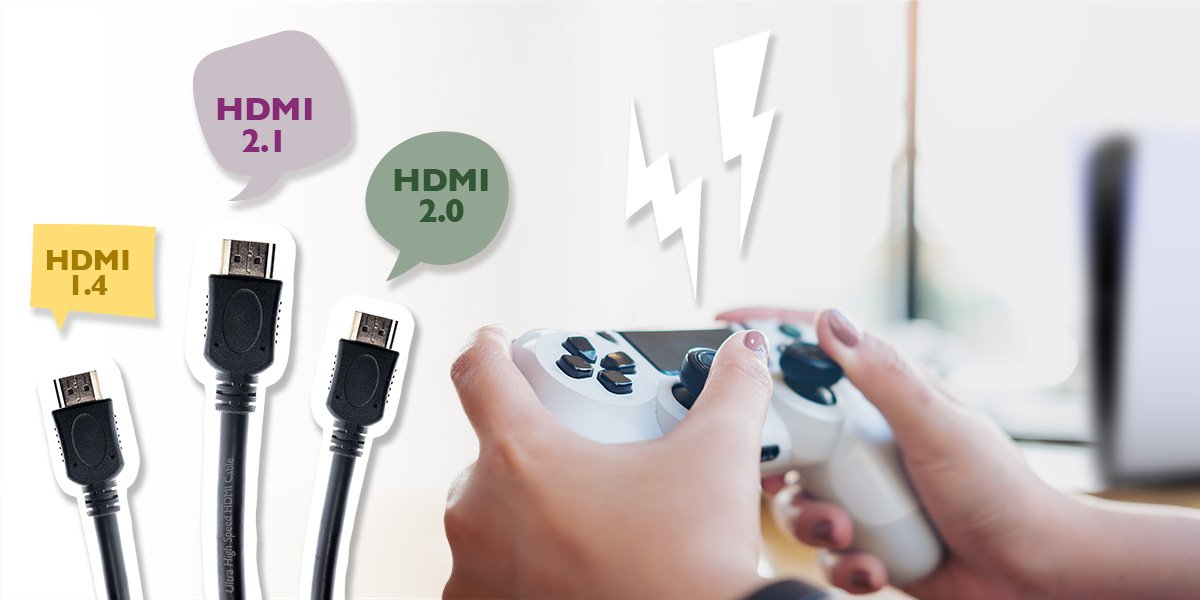
Gaming performance is shaped by various HDMI generations. Each choice boasts different features and speeds as well. The best HDMI version helps you get better visuals and gameplay smoother. Knowing the differences between HDMI 2.0 and 2.1 can help you make informed home theater setup decisions.
Hdmi 2.0 Vs 2.1
4K resolution is also capped at 60Hz refresh rate using HDMI 2.0. It’s great for a lot of games, but may constrain high frame-rates. Read more: HDMI 2.1 gets big upgrade with lossless audio, 10K, dynamic HDR and more HDMI 2.1 comes with increased bandwidth, enabling things like 4K at 120Hz or even a massive 8K at 60Hz video output. This model is perfect for next-gen gaming consoles and powerful PCs. It enables faster data transfer and more color depth.
Impact On Resolution And Refresh Rates
The newer the version of HDMI in use, the more resolution and refresh rate it can handle. A higher refresh rate will mean smoother motion when gaming. With HDMI 2.1, you can finally get up to 120Hz at 4K, too, which should cut down on motion blur. At 60Hz for 4K, HDMI maxes out and can feel less smooth. Smoothie Gaming Sure fans get gaming on with HDMI 2.1 cables.
Support For Hdr And Vrr
HDR (High Dynamic Range) technology improves colors and contrast in games. Full HDR is supported by HDMI 2.1, which means enhanced colours and tone-mapping. VRR minimizes screen tearing and stutter to boost your performance. It even supports VRR via HDMI 2.1, so you can get a smoother gaming experience too. Full VRR support requires HDMI 2.1, so some games won’t play as smooth on those consoles.

Credit: www.anker.com
Cable Quality Factors
Gaming performance is highly dependent on the quality of your HDMI cable. There are several factors that influence how well a cable transmits signals. These considerations affect image sharpness, response time, and delay. Knowing what makes a good HDMI cable can help gamers decide on the best HDMI cable for gaming.
Signal strength, durability, and overall cable life is determined by the sum of all parts of the cable design. Flickering, lag, low resolution cables can let you down. What to Look for in a Gaming HDMI Cable There are a number of factors that help explain what makes a great gaming HDMI cable.
Build Materials And Shielding
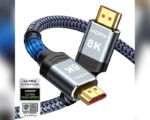
Durable HDMI cables will use high-quality materials like strong braided nylon or thick PVC. These septa shield the internal wires from physical harm. A protective layer prevents electromagnetic interference from other devices. Great Protection is one thing, but good protection now with 2 lightening drive magnetic cover: – easily interrupt your device when you $re on the go…. certainty a full screen view so that you can There are This prevents signal loss and interference for clear image quality during game play.
Are Expensive Hdmi Cables Worth It for Gaming?
Multi-shielded cables maintain signal integrity, reducing noise and interference. This results in sharper images with less artifacts. The screen flickers and colors are really bad if the cables of low quality without 2p ring.
Connector Types And Plating
HDMI cables have connectors they wiggle. Gold-plated connectors resist corrosion and improve the signal transmission. This minimizes a signal loss over time. You’ll find that some cords feature regular connectors, and others have locking connectors for staying in place.
“Rock-solid connections definitely reduce the signal dropout rate when you’re gaming hard. Low quality connectors are prone to being loose and causing performance loss, or get damaged more easily. high quality connectors maximizes the cables signal transfer Made for Sturdy durable case over mound provides you a long using life.
Cable Length And Signal Integrity
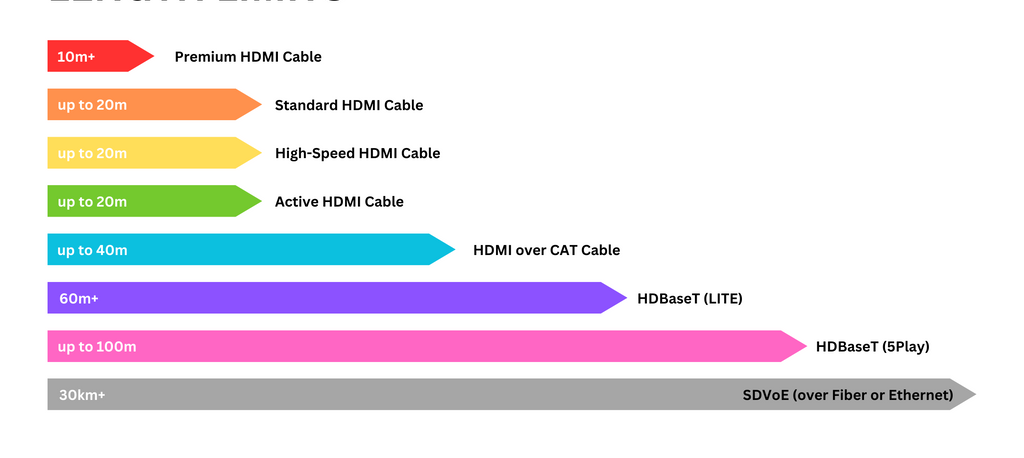
The longer your HDMI cables are, the worse the signal is. The quality of signals declines as they travel further. For gaming, the best signal quality is maintained with shorter cables under 10 feet. If longer cables are required, choose ones marked with “active” or “amplified.”
These cables also amplify signal to keep integrity over length. When you use too long such low quality cables the voice could lag or the image could become fuzzy. The ideal length is a balance between convenience and performance depending on your gaming setup.
Performance Effects
HDMI cable makes all the difference to your Gaming Console. It heavily influences the smoothness with which games run and how crisp visuals are. Bad cables can be a hassle, leading to distractions and enjoyment detractors. Knowledge is power: why gamers need to know what cables do in order to get the best experience.
Visual Artifacts And Flickering
Substandard HDMI cables will usually exhibit visual artifacts. This is the weird lines, points or bars that show up on your screen. When flickering happens, it causes jumping or blinking of image. Either of these problems is immersion-breaking and makes the game more difficult. Premium cables offer steady, clear images for less lag.
Latency And Input Lag
This would be the delay between your deciding to do something and the game actually doing it. Input lag occurs when it takes too long for signals to reach the screen. Cheap or broken cables make this delay even longer. This delay is noticeable in fast-paced games which require timing. A quality HDMI cable lowers latency, so controls are more responsive.
Signal Loss And Bandwidth Limits
Signal attenuation happens as data is weakened by transmission. Thus, image quality reduction or frame loss occurs. Bandwidth cap — limits total throughput data that cable can carry. Older cables may not be able to handle high-resolution or refresh rates. The latest, certified HDMI cables can handle more data which means faster gameplay at higher resolutions.
Compatibility With Gaming Setups
The ability to work with your gaming system of choice is a critical factor in selecting the perfect HDMI cable. So, all gaming devices are not created the equal. Matching cable quality to these needs is crucial for ensuring a consistent gaming experience. If it is not a good compatible, it may have lag or flicker or even no picture. Knowing how you’re set up helps determine the best cable.
Pc And Console Requirements
PCs and consoles are on a different HDMI standard. Some offer HDMI 2.0, some require HDMI 2.1 for high refresh rates. A cable needs to support the resolution and frame rate of the device. For instance, you’ll need a high-speed HDMI 2.1 cable to play games at 4K with a refresh rate of 120Hz. Older cables may curb performance and visuals.
Display Technology Considerations
Monitors and TVs come in all sorts of display technologies. The requirements are different for OLED, LCD and LED displays. Online HDR support requires cables to transport extended color and luminance ranges. VRR features are compatible requiring HDMI connection and both PC and TV to support. However, TV operating systems or all electronics with firmware 1.3 do not have this functionality through all apps. Screen tearing may appear due to the NIT capabilities of the screen (devices above 6G).May not be available at the time of purchase of this product. For the best results make sure that your display technology matches the cable.
Adapters And Converters Impact
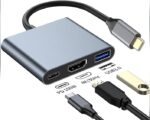
In case you aren’t careful, the quality of signals may get affected by adapters and converters. Additional equipment can add lag and lower resolution. Some do not have the full bandwidth HMDI capability. This can lead to lower refresh rates or color anomalies. If you decide to change product styles or brands, be sure that the adapters and cables used are of high-quality designed for gaming to ensure dimensions remain consistent and performance is maintained.
Choosing The Right Cable
Selecting the correct HDMI cable is important for good gaming performance. The cable links your consoles or PC to the display. Its quality has an impact on image sharpness, refresh rate and response time. Choosing the right cable leads to uninterrupted gameplay and clear vision. Don’t settle for those bulky cables that minimize your device’s capability.
How Do I Know If My Hdmi Cable Supports High Refresh Rates?
Certification And Official Seals
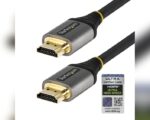
Seek HDMI cables that are certified. Certified cables have been tested for speed and reliability. These seals are produced by the HDMI Licensing Administrator. A certified cable assues support for features including 4K, HDR and VRR. Not compatible with uncertificated cables, they may lost signal or flicker.
Matching Cable To Display Specs
Match the cable to your display’s resolution and refresh rate. With older cables, you might not even get 4K at 60Hz or above. Speaking of cables, the HDMI 2.1 cables beyond the were capable of carrying up to 8K and a refresh rate of 120Hz. The right cable will in turn eliminate lag and picture quality problems. Please verify your device specifications before purchasing.
Balancing Cost And Performance
Price is not certainly indicative of performance. For most gamers, basic certified cables will work just fine. Stay away from the very cheapest cables with no shielding or certification. Pick anything from a cable that fits within your budget, and works for your style of play. Good cables will last longer and also resist interference.
Credit: fycables.com
Common Hdmi Cable Issues
Your gaming console or PC is hooked up to your display via HDMI cables. These are the wires that video and audio will be transmitted on. Bad cable quality can lead to a lot of problems. These are all the issues that dampen your gaming experience. Knowing the typical problems with HDMI cables can ensure your games stay smooth and clear.
Signs Of Cable Degradation
See if you experience faint or flickering image on your screen. There could be washed out or distorted colors. Audio may drop out at times. The screen could go black randomly too. There are black-outs, or blank spots on the screen at times. Most of the time, these signs indicate a worn or damaged cable.
Are Expensive Hdmi Cables Worth It for Gaming?
Troubleshooting Flicker And Dropouts
Check the cable connection on both ends. Loose plugs cause unstable signals and flickering. Try a different HDMI port on your device. Swap the cable with another one to isolate the issue. Avoid running cables near power cords to reduce interference. Keep the cable straight and free of sharp bends.
When To Replace Your Cable
Replace cables with any visible cuts or frays. Do not use cables with bent or corroded connectors. Should problems persist after inspection, try a new cable. Pick cables based on the resolution and refresh rate of your gaming setup. An HDMI 2.1 cable makes a difference on high-end gaming gear.
Future-proofing Your Setup
It’s good to plan your gaming setup with an eye on the future, as it can be both cost-effective and time-saving. HDMI is evolving, and keeping up with these changes can be costly. Selecting the best cable now will future-proof your system for tomorrow’s new features and higher-quality visuals. Knowing future standards and cables prevent you from having to constantly upgrade.
Upcoming Hdmi Standards
Higher performance standards are added frequently by HDMI forum. HDMI 2.1 is already widely adopted, but newer versions — including HDMI 2.1a and beyond — are on the way. These updates should bring support for higher resolutions, improved color depth and gaming features. Keeping up with those changes can inform your choices about which cables will remain compatible for longer.
Preparing For 8k And Higher Refresh Rates
Games and displays are going past 4K to 8K resolution. Higher refresh rates, such as 120Hz or 144Hz at 4K, or a resolution of just 60Hz at 8K also require more from HDMI cables. Older or poor-quality cables may not carry this load of data well. With cables designed to meet the specs for these new technologies, you can game seamlessly with flawless image retrieval and zero lag/flicker.
Investing In Ultra High-speed Cables
Ultra High-Speed HDMI cables are also available and can support up to 48 Gbps. This is necessary in order to support high resolutions and refresh rates. These cables also deliver support for capabilities such as variable refresh rate (VRR) and enhanced audio return channel (eARC). Certified Ultra High-Speed cables ensure stable performance and future compatibility.
Frequently Asked Questions
Does Hdmi Quality Matter For Gaming?
Yes, HDMI quality affects gaming by supporting higher resolutions, refresh rates, and reducing lag for smooth, responsive gameplay.
Do High-quality Hdmi Cables Make A Difference?
High-quality HDMI cables ensure stable signal transmission, supporting higher resolutions, faster refresh rates, and reducing flicker or lag during gaming. Poor cables may cause signal loss, lower image quality, or compatibility issues, affecting overall performance and visual experience. Choose cables matching your device’s specs.
Is Hdmi 2.2 Overkill?
HDMI 2. 2 may be overkill for most users since HDMI 2. 1 supports current high-res and refresh rates. Choose cables matching your device needs.
Can A Bad Hdmi Affect Fps?
A bad HDMI cable does not directly lower FPS. It can cause signal issues, affecting resolution and smoothness. Use a quality cable matching your display’s specs for optimal performance.
Conclusion
HDMI cable quality can influence your gaming visuals and responsiveness. Using a cable that supports your device’s resolution and refresh rate avoids flickering or signal loss. High-quality cables help maintain smooth gameplay with clear images. Choose cables with proper certification and good build to reduce interference.
Avoid very long or cheap cables that might degrade the signal. Overall, a reliable HDMI cable ensures your gaming setup performs well without extra lag or visual issues. Simple upgrades here can improve your gaming experience noticeably.