

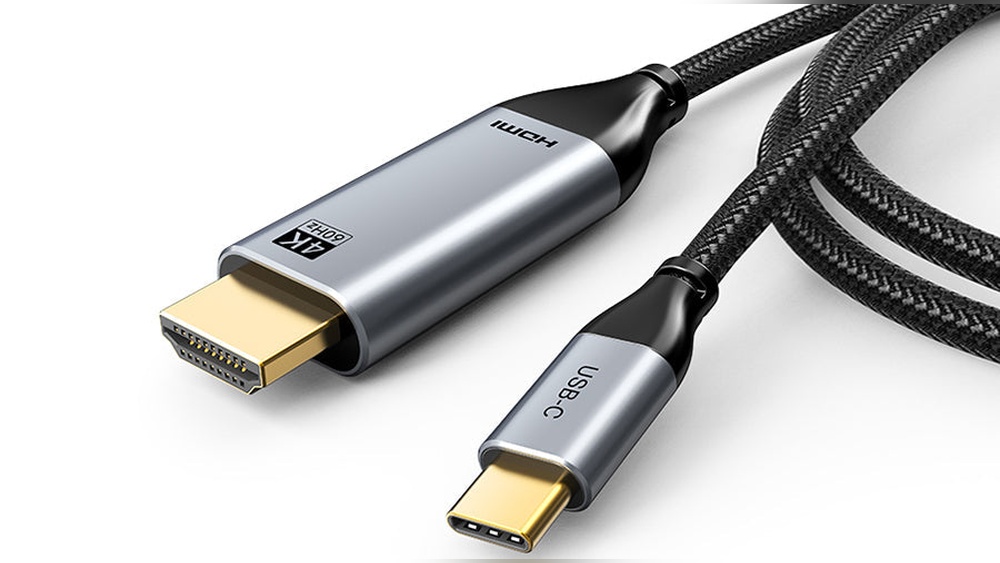
Are you confused about whether to choose an HDMI or a USB-C cable for your devices in Canada? Hdmi Vs Usb-C Cable Differences Canada provide a guide
Both cables look similar but serve very different purposes. Picking the right one can make a big difference in how you connect your gadgets, stream videos, or charge your devices. You’ll discover the key differences between HDMI and USB-C cables, so you can make the best choice for your setup without wasting time or money.
Keep reading to find out which cable fits your needs perfectly.

Credit: www.sct.com.tw
Hdmi Cable Basics
HDMI cables are a popular method of connecting audio and video devices. That’s because they transport both sound and picture in a single cable. This makes them very good for TV, computer and gaming. Knowledge of the standard HDMI cables is important while selecting appropriate one.
HDMI cables support high-definition signals. They play nice with a lot of hardware in homes and offices. Apart from them, having an idea of the features and types is very beneficial in making informed decisions.
Common Uses
HDMI cords link TVs to set-top boxes and Blu-ray players. They connect computers to monitors or projectors. Xbox and PlayStation are some of the gaming consoles that most people connect via HDMI. Soundbars and home theater systems are also compatible.
Key Features
HDMI Cables Provides both video and audio in one connection. They also allow HD video, including 4K and higher. For most cables, a basic plug is made to be inserted easily into devices. HDMI also carries digital audio formats such as Dolby TrueHD. The cables require no extra power to function.
Types Of Hdmi Cables
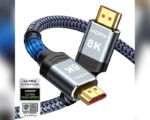
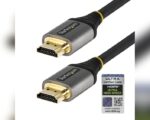
Most uses will do just fine with standard HDMI cables. High-Speed HDMI cables also support higher resolutions and faster refresh rates. Tested for quality at 4K. Ultra High-Speed cables support 8K video and advanced features. Some types work better for different needs and budgets.
Usb-c Cable Essentials
USB-C cables have become very common in Canada and worldwide. They offer fast data transfer and power delivery in one small connector. Many devices use USB-C for charging, data, and video. Understanding USB-C cables helps you choose the right one for your needs.
What Cable Do I Need for 4K TV Canada: Ultimate Buying Guide
These cables look similar but have different features. Knowing their uses and types avoids confusion and saves money. USB-C cables support new technology and work with many gadgets.
Typical Applications
USB-C cables connect smartphones, tablets, and laptops. They also link external drives and monitors. Many gaming consoles and cameras use USB-C. Charging devices is common with USB-C cables. Some cables support video output to TVs or monitors. This makes USB-C versatile for daily tasks.
Core Characteristics
USB-C cables have a small, oval connector. They are reversible, so you plug them in any way. These cables transfer data fast, much faster than old USB types. They also deliver power up to 100 watts. This can charge laptops and other big devices. USB-C supports video signals, carrying high-definition video and audio.
Usb-c Variants
Not all USB-C cables are the same. Some support only data and charging. Others add video output with DisplayPort or Thunderbolt. Thunderbolt 3 and 4 cables use USB-C connectors but offer higher speeds. USB 2.0 and 3.1 cables also come in USB-C style but have slower data rates. Check cable labels to know what features they support.
Performance Comparison
When we compare HDMI vs USB-C cables, we are considering the functionality of each cable. They perform different functions but differ in terms of speed, quality and power delivery. Knowing these differences help select the right Canada cable.
Each cable fits specific needs. For everyday use and normal tech work, then it’s performance that matters the most.
Data Transfer Speeds
Data Transfer Speeds
USB-C cables tend to have faster data transfer speeds than HDMI. USB-C capability goes up to 40 Gbps with Thunderbolt 3 or 4. HDMI 2.1 hits up to around 48 Gbps, but it emphasizes video and audio at least as much data bandwidth. Gigabit USB-C Get all the files from a flash drive onto your Lite in no time. HDMI is primarily for video and audio signals, not data files.
Video And Audio Quality
You get premium quality video and audio with HDMI Cables. They deliver 4K and 8K resolutions with vibrant color. TVs and monitors use HDMI. USB-C is also capable of video and audio, but it varies depending on the device and the type of cable. Some USB-C cables transmit DisplayPort signals for 4K monitors. For pure video and audio needs, HDMI usually stands by them.
Power Delivery Capabilities
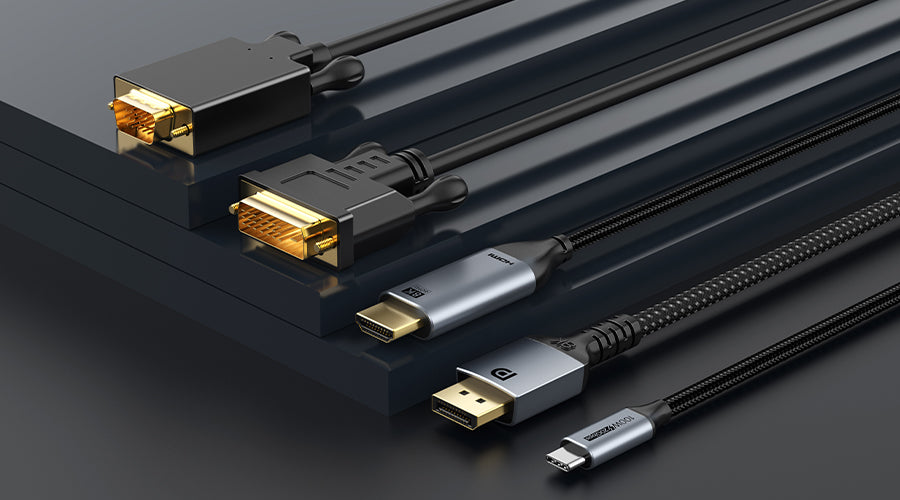
Power delivery via USB-C cables to charge devices. They can put out 100 watts, which is sufficient to power laptops and phones. HDMI cables do not provide power to devices. USB-C: one cable to charge, transmit video and transfer data. This makes USB-C more convenient for current Canadian devices.
Credit: cabletimetech.com
Compatibility In Canada
Understanding compatibility is key when choosing between HDMI and USB-C cables in Canada. Different devices and regional factors affect which cable works best. Knowing these differences helps Canadians pick the right cable for their needs.
Device Support
Most Canadian TVs and monitors support HDMI connections. HDMI is common for video and audio on home devices. USB-C is growing in use, especially on laptops and smartphones. Some newer devices combine video, power, and data through USB-C. Checking your device ports ensures the cable fits perfectly.
What Cable Do I Need for 4K TV Canada: Ultimate Buying Guide
Regional Availability
Both HDMI and USB-C cables are widely available in Canadian electronics stores. HDMI cables have been standard for years, so stock is abundant. USB-C cables are newer but gaining shelf space quickly. Prices for both cables vary across provinces. Availability in remote areas may be limited for USB-C.
Market Trends
Canada’s market shows a rise in USB-C adoption for mobile devices. Many brands now prefer USB-C for charging and video output. HDMI remains popular for TVs and gaming consoles. Demand for USB-C cables grows as more users switch to modern gadgets. Stores keep offering both to meet diverse needs.
Choosing The Right Cable
The right cable matters for your devices in Vancouver. The good type of cable ensures that you get connected and receive your data fast. It also helps to minimize any frustration of bad connections or slow speeds. This part walks you through some key concepts to consider before purchasing an HDMI or USB-C cable.
Use Case Scenarios
Consider what the cable will be used for. It does a good job when connecting TVs, monitors and projectors via HDMI. It transmits video and audio signals clearly. USB-C works with newer laptops, smartphones and tablets. It transmits data, video and power across a single cable. Choose the cable that matches your device’s ports and functions.
Budget Considerations
The pricing is different for an HDMI cable vs a USB-C cable. HDMI cables are inexpensive and readily available. USB-C cables could also be more expensive depending on the whether they have charging and faster data capabilities. Determine how much you want to spend. Pick up a cable that suits your needs, without over spending.
Future-proofing
Technology changes fast. We’re well on our way to USB-C being the standard for devices in Canada. It’s capable of faster data speeds and more power. Displays are still important for HDMI, though it might not support new features. Purchasing USB-C cables can also ready you for new devices. How long do you see yourself using the cable?

Credit: www.anker.com
Installation And Maintenance Tips
Knowing how to install and maintain HDMI and USB-C cables helps keep devices working well. Proper care prevents damage and saves money. Follow simple tips to avoid common problems and extend cable life.
Proper Handling
Hold cables by the ends, not the middle. Avoid pulling or bending cables sharply. Plug and unplug gently to protect connectors. Keep cables away from heavy objects that can crush them.
Troubleshooting Common Issues
Check connections if there is no signal or poor quality. Try using different ports or cables to find the problem. Restart devices to reset connections. Clean connectors with a soft cloth to remove dirt.
Cable Care Best Practices
Store cables loosely coiled, not tightly wound. Use cable ties or Velcro straps to keep them organized. Keep cables dry and away from heat sources. Regularly inspect cables for cuts or damage and replace if needed.
Emerging Technologies
Cable technology continues to grow quickly. New kinds of cables promise faster speed and power. Canada is witnessing a sea of new cables for devices and screens. These changes will influence how people hook up their gadgets. Knowing these new technologies can determine the correct cable.
Upcoming Cable Standards
A new standard for cables is on its way. Faster data transfer with USB4 and HDMI 2.1. USB4 is capable of juggling video, data and power at the same time. HDMI 2.1 offers higher video resolutions and refresh rates. These guidelines enhance device performance and usability.
What Cable Do I Need for 4K TV Canada: Ultimate Buying Guide
Innovations In Connectivity
Connectivity is not just about cables. Wireless charging and data transfer are on the rise. USB-C is capable of delivering power and video over the same cable. HDMI is getting features like dynamic HDR and eARC. These innovations are designed to help devices work more seamlessly together.
Impact On Canadian Consumers
Canadians get better options for devices and cables. New standards mean fewer cables and simpler setups. Devices last longer with better power management. Consumers enjoy clearer video and faster data speeds. These benefits make daily tech use easier and more fun.
Frequently Asked Questions
What Are The Main Differences Between Hdmi And Usb-c Cables?
HDMI primarily transmits video and audio signals, ideal for TVs and monitors. USB-C supports data, power, and video, offering versatility for many devices, including laptops and smartphones. USB-C also supports faster data transfer and charging, while HDMI focuses on high-quality video output.
Can Usb-c Replace Hdmi For Video Output In Canada?
Yes, USB-C can replace HDMI for video output if the device supports DisplayPort Alternate Mode. Many modern laptops and smartphones use USB-C for video. However, HDMI remains common for TVs and older devices, making both cables useful depending on your setup.
Are Hdmi And Usb-c Cables Interchangeable For Canadian Devices?
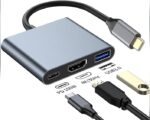
No, HDMI and USB-C cables are not directly interchangeable due to different connectors and functions. USB-C ports can carry HDMI signals with adapters. Always check device compatibility before using adapters or cables to ensure proper connection and performance.
Which Cable Offers Better Video Quality, Hdmi Or Usb-c?
Both HDMI and USB-C support high-definition video, including 4K and 8K resolutions. HDMI is widely trusted for consistent video quality on TVs and monitors. USB-C quality depends on the device and cable specifications but can match HDMI with the right setup.
Conclusion
The only decision between HDMI and USB-C is what your devices need. HDMI is great for video and audio on TVs and monitors. USB-C gives us more, including charging and data. Both cables are widely used in Canada and relatively easy to come by. Think about what your device is capable of and what you want to do.
Clarity is great on your setup, and easy choices are no exception. Just remember a few things and you can choose the right cable for your needs.