

How to Identify a Fast Charging Cable on your devices every day, and nothing’s more frustrating than waiting forever for them to charge. But how can you be sure your charging cable is actually fast charging your phone or tablet?
Not all cables are created equal, and using the wrong one can slow down your charging time or even damage your device. You’ll discover simple, effective ways to identify a genuine fast charging cable. By the end, you’ll know exactly what to look for so you can power up quickly and safely every time.
Keep reading to unlock the secrets of fast charging cables and never wait around for your battery to fill up again!
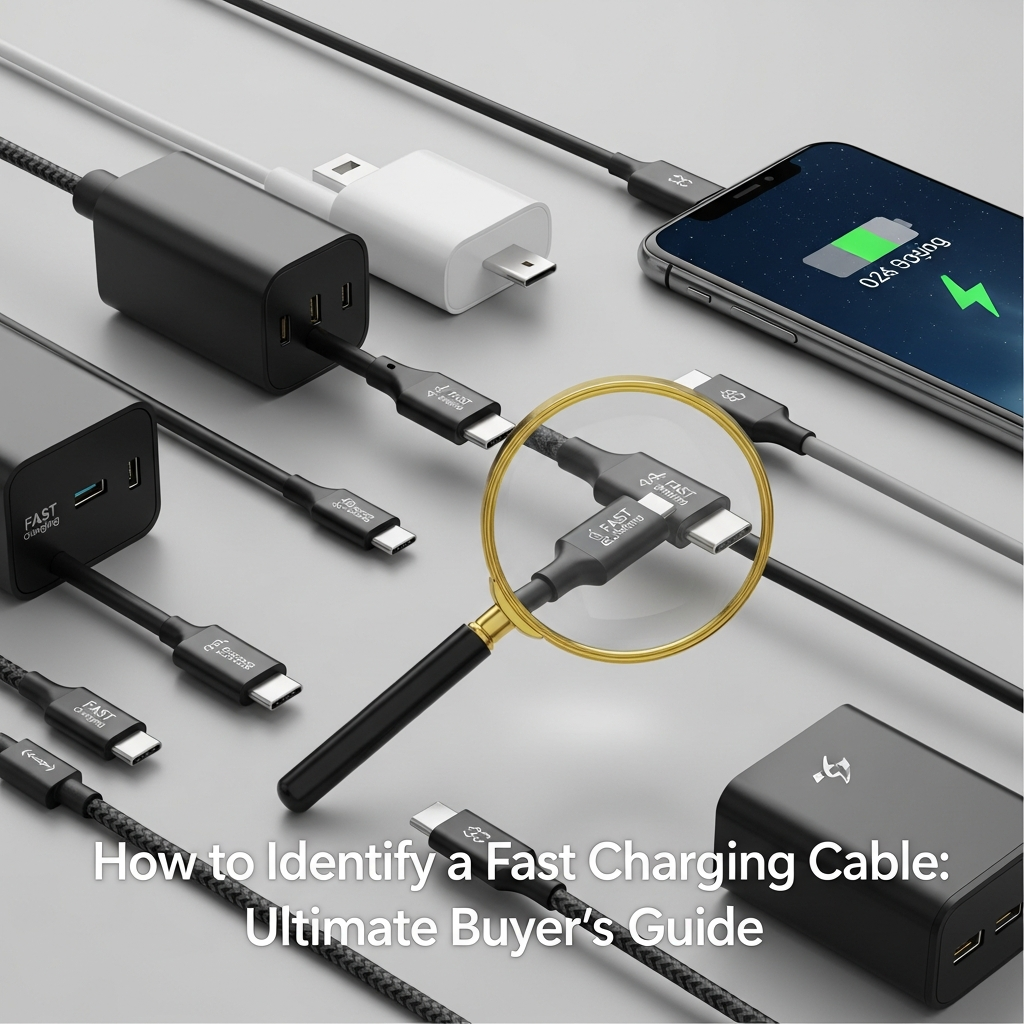
Types Of Charging Cables
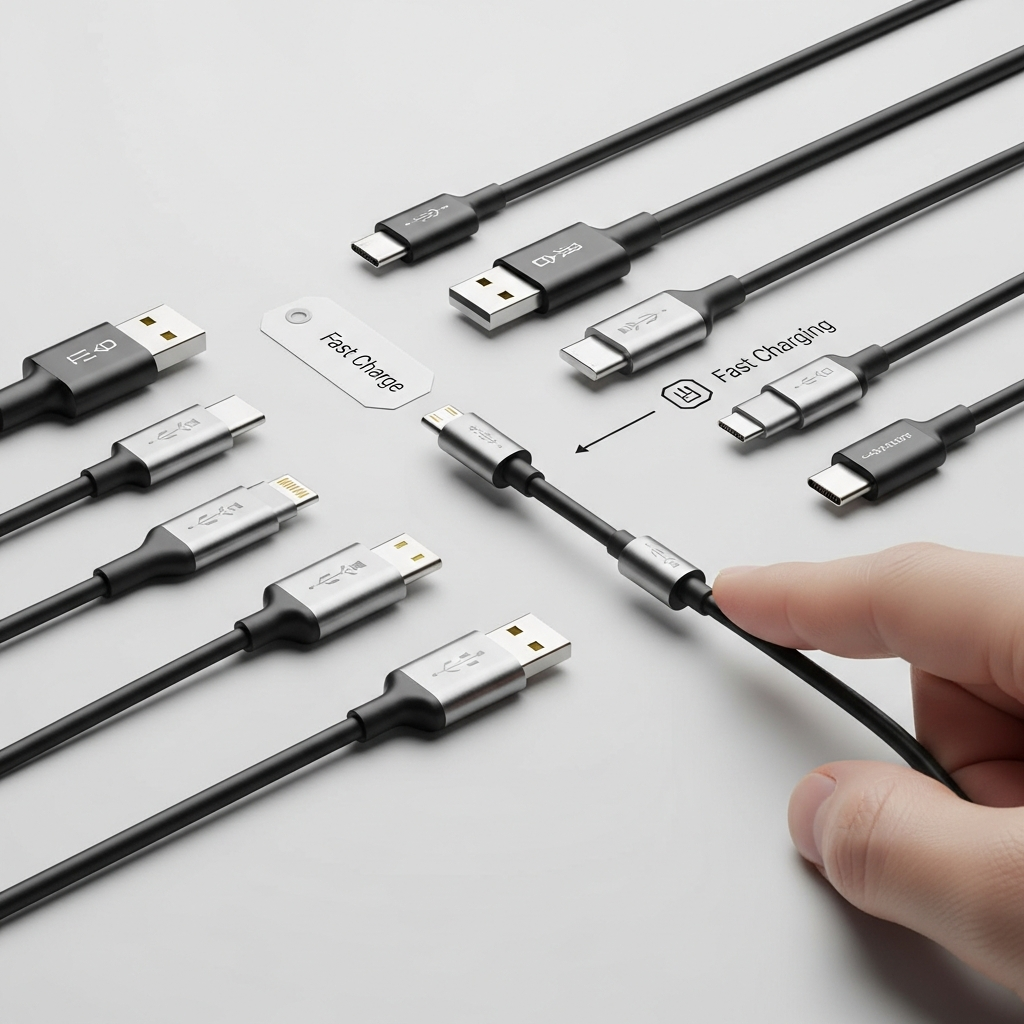
Charging cables vary greatly in type and form. Different devices and charging speeds work better with each kind. Being able to identify the two helps you get the correct cable for fast charging. Some cables are old and no longer of use. Others are fresh and also support higher power output.
Knowing that the types of charging cables are the same ones can help you pinpoint fast chargers. So without further ado, let’s take a look at the major categories and their connector designs.
Usb-a, Usb-b, And Usb-c
USB-A is the traditional rectangular connector. It plugs into computers and AC adapters. Most old cables use USB-A.
USB-B is square with angled corners. It’s mostly confined to printers and scanners. This type is less common now.
USB-C is small and oval. It can go in either way since it’s reversible. USB-C on lots of phones and laptops. It allows fast charging and high speed data transfer.
Best Type C Fast Charging Cable for Ultimate Speed and Durability
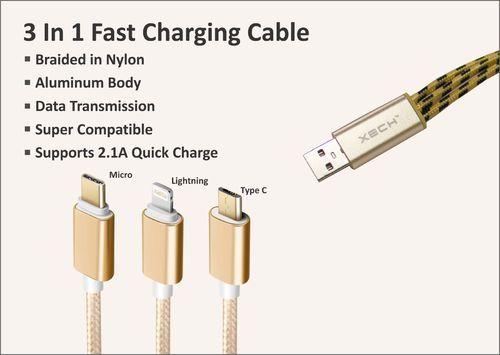
Micro-usb And Lightning Connectors
Micro-USB is small and rectangular with a slightly tapered end. It was a standard for old phones and small gadgets. It is still used by many devices today.
Lightning is Apple’s special connector. It looks slim and symmetrical. That kind is employed only by Apple devices — iPhones and iPads. Real Lightning charger cables can do fast charging (if paired with the right charger).
Connector Shapes And Sizes
Connector forms are different depending on type and brands. USB-A is wide and flat. USB-B is boxy and square. USB-C is thin and rounded.
Micro-USB is small and narrow. Lightning connectors are thin and slick. The size and shpe can identify the type of cable at a glance.
The proper connector size must be selected to make a secure connection during use. Charging too slowly or damaging your device could come from using the wrong cable.
Credit: repairmart.com.au
Markings And Color Indicators
Markings and colours signals to the eye a fast charging cable in no time! These indications illustrate that the cable is capable to accommodate high power conditions. They direct users on selecting the correct cable for quick charging. By making these functions recognizable before you tap search, time is saved and hardware preserved from harm.
Power Delivery Labels
Look for the words “PD” or “Power Delivery” either on the cable itself or on the packaging. These labels are the proof that cables support fast charging standards. Some cables also list the wattage rating, such as 60W or 100W — higher wattage delivers faster charging to devices that can take a charge at a faster rate. Be sure to check for these markings before purchasing.
Color Coding On Cables
Fast charging is represented by colors and memo in the cable factory. Frequently, quick charge cables have a chunkier or colored connector or cable jacket. They are typically red, orange, or blue in color. Most cables are plain white or black. These color cues also make it easy to spot fast chargers at a glance.
Data Vs Charge-only Cables
Choosing the right cable affects charging speed and device syncing. Data cables and charge-only cables look similar but serve different purposes. Knowing their differences helps pick a cable that supports fast charging and data transfer.
Internal Wiring Differences
Data cables contain four wires inside: two for power and two for data transfer. This design allows devices to send and receive information while charging. Charge-only cables have just two wires, power and ground. They only deliver electricity without data transfer. The extra wires in data cables enable faster communication and better charging management.
Detecting Data Transfer Capability
Connect the cable to a computer and a device. If the device appears on the computer, the cable supports data transfer. Charge-only cables will not show the device on the computer. Another method is to test file transfer between devices. If files move successfully, the cable is a data cable. These simple tests help confirm cable function before use.
Device And Manufacturer Clues
Information about the device and manufacturer can often tell you if a cable supports fast charging. These hints prevent sluggish or artificial cables. The design and marking practices vary by brand. An inspection of your device and cable can save you time and safeguard your gadgets.
Manufacturers add details that they support fast charging. Compatible cables are also listed in device manuals. The more one reads these sources, the more clear it becomes as to which cables are the appropriate ones to use.
Best Type C Fast Charging Cable for Ultimate Speed and Durability
Apple Lightning Cable Features
A lot of devices from Apple have a special Lightning connector. Real Apple Cords – You can tell them apart from the fakes by looking at the pins. The surface of the cable is hard and the quality feels good. The fake cables usually have rough or separated pins, and feel cheap.
Check the cable for the “Designed by Apple in California” text. This text is often situated next to the USB connector. The font is thin and uniform in authentic cables.
Fast charging is only compatible with Original Apple Cables for Iphone and Ipad. Unofficial cables may cause charging to be slower or may not work at all.
Checking Device Manuals
The best cables with which to charge devices are listed in their manuals. They detail which types of cables and at what power levels are used for fast charging.
Seek out mentions of USB Power Delivery or fast charging standards. Manuals may also caution that the use of cheap or uncertified cables is not supported.
Safer and Faster Charging is guaranteed by manual charging recommendations. It helps prevent damage and prolongs battery life.
Usb-c And Fast Charging
USB-C is now the standard connector for most devices. It also features fast charging and data transfer in one cable. It’s important to understand the features that allow a USB-C cable to fast charge. It makes your select the right cable for your electronics and avoid slow charge.
Power Delivery (pd) Standard
The Power Delivery standard permits USB-C cables to safely pass-through amperage at higher levels. It’s power delivery up to 100 watts capable. This standard automatically adjusts the current and voltage according to the requirement of devices. A PD-supporting cable can also charge laptops, tablets and phones quicker than standard cables.
Role Of E-marker Chips
E-Marker chips are little chips that reside within USB-C cables. They inform the device how much power the cable can safely carry. This enables devices to manage the flow of power in order to prevent overheating or damage. A cable that has no E-Marker chip will not be able to charge quickly, even if it looks identical.
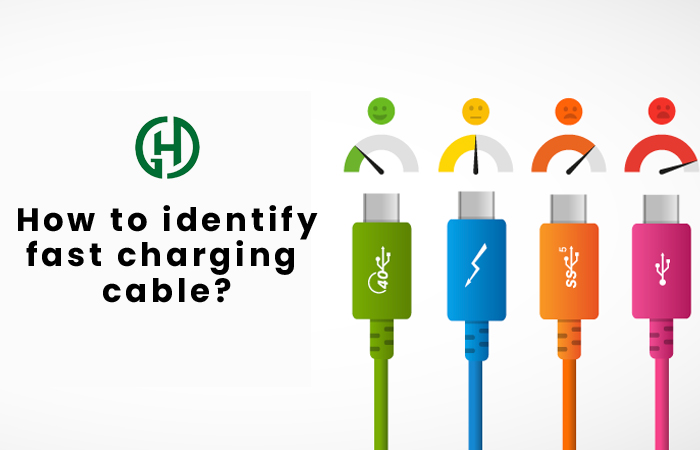
Wire Gauge Impact On Speed
The gauge of the wires inside a cable has an impact on charging speed. Thinner wires have high resistance and cannot carry much current. Wire size is measured by gauge size. The wire is thicker for lower AWG numbers. The charge wires of fast charging cables are 24AWG or thicker for faster charging.
Credit: www.hgdindia.com
Testing Cable Performance
Testing cable performance helps confirm if a cable supports fast charging. It checks if the cable handles high power without heating or slowing. Testing also reveals if the cable is built well to last longer. This section explains simple ways to test your cable’s fast charging ability.
Quick Charge Compatibility
Check if the cable supports Quick Charge standards. These standards allow faster power delivery. Use a charger and device that support Quick Charge. Connect your cable and watch the charging speed. If charging is noticeably faster, the cable likely supports Quick Charge. Slow charging means it may not be compatible.
Best Type C Fast Charging Cable for Ultimate Speed and Durability
Using Device Manager
On Windows, open Device Manager to test cable data and power functions. Connect the cable to your PC and phone. Look under “Universal Serial Bus controllers” for your device. If the device appears, the cable supports data transfer and proper power flow. No device detection often means a charge-only cable, which might not fast charge.
Physical Durability Checks
Inspect the cable’s build quality to ensure fast charging safety. Look for thick insulation and strong connectors. Thin or flimsy cables may overheat or break easily. Bend the cable gently near connectors. A quality cable resists bending and returns to shape. Durable cables maintain stable fast charging over time.
Spotting Fake Cables
It’s important to be able to identify fake fast charging cables in order to protect your device and guarantee safe charging. Counterfeit cables can closely resemble the genuine article, but do not include quality and safety features. Knowing how to spot these impostor cables could save you from damage and slow charging speeds. The following section gives some easy tricks to diagnose fake cables by sight and based on typical red flags.
Visual Inspection Tips
Check the cable’s connectors closely. Authentic cables will have smooth, well-constructed connectors. Search for crisp and even printing on the cable. Look for fat cables: Fake cables are portly and have blurry or missing logos and text. Look at the thickness of the cable; real fast charging cables are generally thicker. Examine the cable ends to make sure they’re solidly constructed and don’t show gaps or loose pieces. Check that the wire is of consistent colour going into both plugs, a real cable will have cables of identical colour and without any fading.
Common Fake Cable Signs
Fake cables usually feel light and flimsy. They may not fit your device perfectly. Some counterfeit cables have rough or jagged edges on connectors. Scam Alert: beware of cables at much too low price. Both product lines add a stamp certifying that the cable meets standards such as USB-IF or MFi. A lot of counterfeit cables were without one of those certification marks. Fake cable has been known not to charge at all or charge very slowly. The cord may quickly become hot or cease to function after a short period of use.
Credit: uk.syncwire.com
Frequently Asked Questions
How To Know Which Charger Is A Fast Charger?
Check the charger’s output label for wattage or amperage. Fast chargers usually offer 18W or higher and support technologies like USB Power Delivery or Quick Charge. Look for “Fast Charge” or “Quick Charge” markings on the charger or cable for easy identification.
How Do I Tell What Type Of Charging Cable I Have?
Identify your charging cable by its connector shape: USB-A (flat), USB-B (square), USB-C (oval, reversible), Micro-USB (small rectangle), or Lightning (Apple’s unique design). Check cable markings for power ratings and test if it supports data transfer to confirm functionality.
Are All Usb-c Cables Fast Charging?
Not all USB-C cables support fast charging. Only cables with proper Power Delivery (PD) and higher wattage ratings enable fast charging. Check the cable specifications to ensure it supports fast charging for your device.
Which Is Faster, A 25w Or 45w Charger?
A 45W charger charges devices faster than a 25W charger due to higher power output. It delivers more watts efficiently.
Conclusion
Choosing the right fast charging cable can save time and protect your device. Focus on the cable’s connector type and markings. Check if it supports Power Delivery or Quick Charge standards. Look for cables with thicker wires and good build quality.
Avoid cheap cables that lack data transfer capability. Using the right cable ensures faster, safer charging. Keep these tips in mind to pick a reliable fast charging cable every time.