

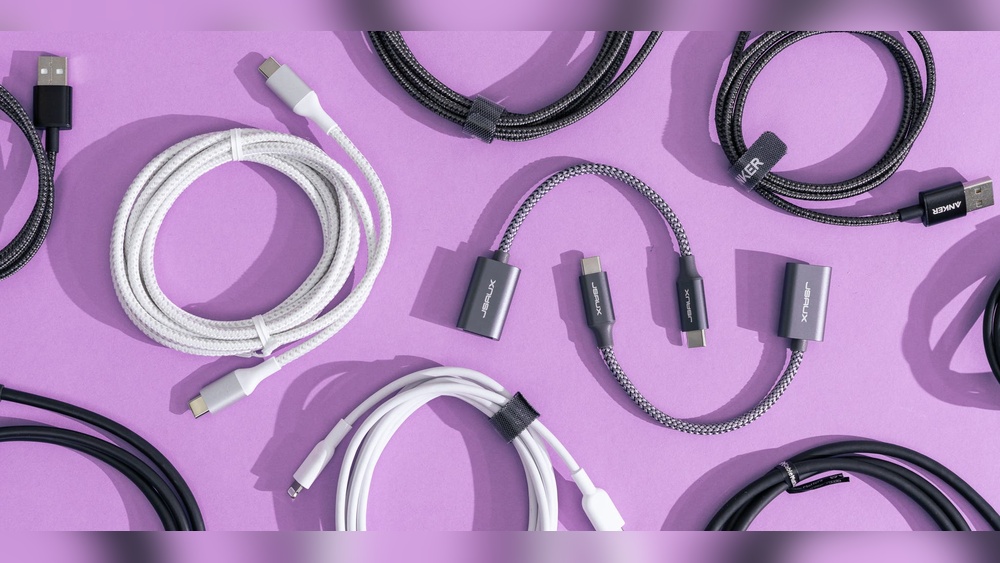
Are you confused about Which Cable is Best in 2025—USB, Type-C, or Micro USB? You’re not alone.
With so many options available, picking the right cable can feel overwhelming. Each has its strengths and weaknesses, and the best choice depends on how you use your devices. But what if you could quickly find out which cable offers the fastest charging, the best data transfer, and long-term durability?
Keep reading, because by the end of this article, you’ll know exactly which cable fits your needs and why it’s the smartest choice for your tech setup this year. Don’t settle for slow charging or flimsy cables—your devices deserve better.
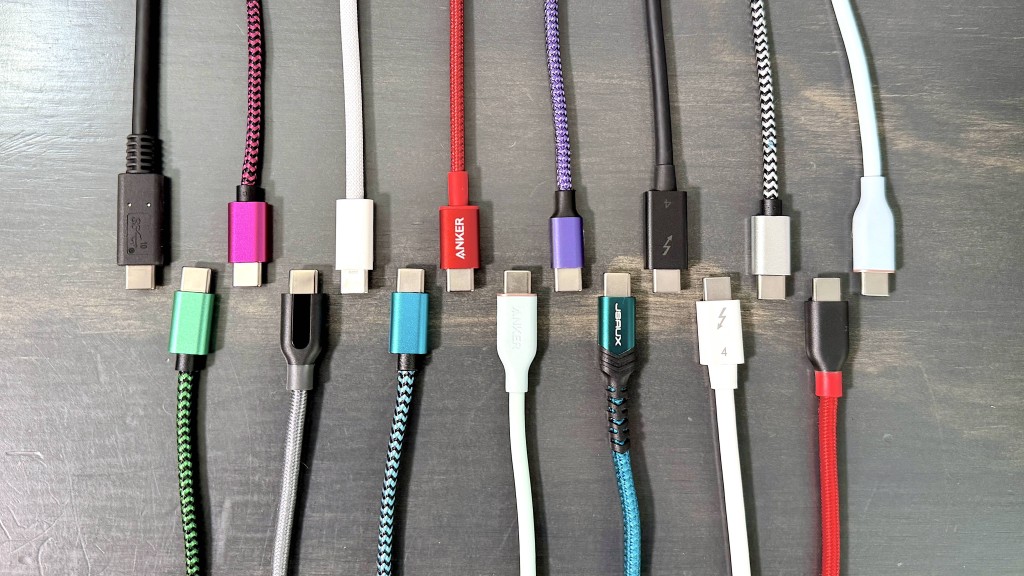
Credit: www.techgearlab.com
Usb Cable Types
USB cables connect devices to power sources and transfer data. Different types serve different needs. Choosing the right cable affects charging speed and data transfer quality. Understanding USB cable types helps you pick the best one for 2025.
Micro Usb Features
Micro USB cables have been popular for years. They use a small, flat connector with a tapered end. These cables are common for charging older smartphones and small gadgets. Micro USB supports moderate charging speeds and data transfer. The connector fits only one way, which can cause wear over time. These cables are affordable and widely available.
Type-c Benefits
USB Type-C cables offer many improvements over older types. The connector is reversible, so it plugs in easily. Type-C supports faster charging and higher data transfer rates. It can handle power delivery up to 100 watts. This makes Type-C ideal for laptops, tablets, and smartphones. It also supports video output and other functions. Type-C is becoming the new standard worldwide.
Quest Link Cable Alternative: Top Affordable Options to Try
Comparing Usb Standards
USB standards define speed and power capabilities. USB 2.0 is slow but common with Micro USB cables. USB 3.0 and above support faster data transfer and charging. Type-C cables can use USB 3.1, 3.2, or USB4 standards. Higher standards mean quicker file transfers and shorter charging times. Always check the cable and device compatibility for best results.
Performance In 2025
Performance in 2025 varies widely among USB Type-C, Micro USB, and traditional USB cables. Each cable type offers unique features that affect charging, data transfer, and power delivery. Understanding these differences helps you choose the best cable for your needs.
Charging Speeds
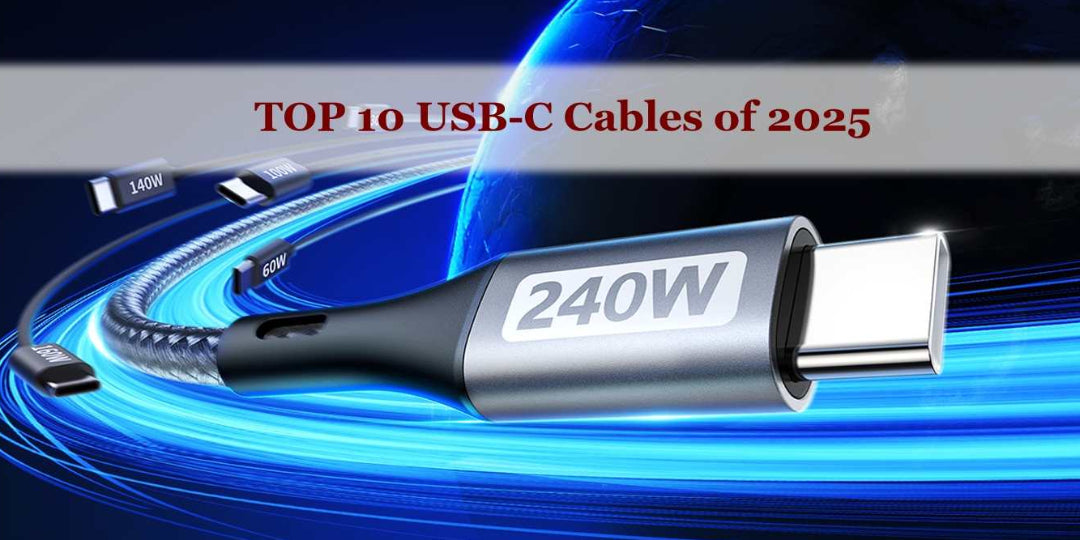
USB Type-C cables deliver the fastest charging speeds today. They support up to 240W power output, ideal for laptops and fast-charging phones. Micro USB cables lag behind, offering slower charging with a maximum of 15W to 18W in most cases. Standard USB cables vary but generally do not match Type-C’s speed. Faster charging reduces wait times and improves convenience.
Data Transfer Rates
Type-C cables support the highest data transfer rates, reaching up to 40Gbps with Thunderbolt 4 compatibility. This speed benefits file transfers and video output. Micro USB cables max out at 480Mbps, which is much slower and less efficient. Older USB cables offer speeds between 5Gbps and 10Gbps depending on the version. Higher speeds mean quicker backups and smoother streaming.
Power Delivery Capabilities
Power Delivery (PD) is strongest with USB Type-C cables. They manage voltage and current dynamically, allowing devices to charge safely at various power levels. Micro USB cables lack PD support, limiting their power range and flexibility. Legacy USB cables may support some PD, but not at Type-C’s level. Strong PD ensures devices charge faster and stay protected from damage.
Durability And Build
Durability and build quality remain top priorities for choosing the best cable in 2025. A strong cable resists wear and tear from daily use. It lasts longer and performs better over time. The materials and construction affect how well a cable holds up. Understanding these factors helps pick a reliable cable for USB Type-C or Micro USB devices.
Braided Nylon Vs Silicone
Braided nylon cables offer excellent strength and flexibility. They resist tangling and fraying, making them ideal for heavy use. Nylon also protects the internal wires from damage. Silicone cables feel softer and more flexible. They bend easily but may wear out faster under stress. For durability, braided nylon usually outlasts silicone in daily use.
Best USB C Cable for Fast Charging: Top Durable Picks for Quick Power
Connector Quality
Connector quality impacts the cable’s lifespan and performance. Strong connectors prevent loose connections and data loss. Metal connectors with reinforced joints reduce breakage risks. Cheap plastic connectors can crack or bend easily. Look for cables with sturdy, well-made connectors for lasting reliability and stable charging or data transfer.
Cable Length Considerations
Cable length affects durability and convenience. Shorter cables tend to be stronger and less prone to tangling. Longer cables offer more reach but may weaken over time. Extra length can cause signal loss or slower charging speeds. Choose a cable length that matches your use without extra slack to ensure better durability.
Compatibility And Use Cases
Choosing the right cable depends on device compatibility and specific use cases. Each cable type suits different gadgets and functions. Understanding which cable fits your needs helps avoid connection issues and slow charging.
Smartphones And Tablets
Most new smartphones and tablets use USB Type-C. It supports fast charging and quick data transfer. Micro USB still appears on budget and older models. USB Type-C offers better durability and reversibility. It fits both Android and some iPad models. Micro USB is common on small, older devices.
Laptops And Peripherals
USB Type-C dominates modern laptops and accessories. It can charge devices and connect displays or external drives. Many new laptops rely solely on USB-C ports. Older laptops often use USB-A or Micro USB for accessories. USB-C cables handle higher power and faster data rates. This makes them ideal for professional use.
Legacy Devices
Legacy gadgets mostly use Micro USB or older USB types. Headphones, cameras, and some gaming controllers still depend on Micro USB. Type-C is rare in legacy devices but growing fast. Adapters can link USB-C cables to older ports. Keep a mix of cables for full device coverage.
Certification And Safety
Choosing the right cable in 2025 involves understanding certification and safety. These factors ensure your device charges properly and stays protected. Quality cables reduce risks of damage and data loss. They also last longer and support fast charging.
Usb-if Certification
USB-IF certification means the cable meets official USB standards. It guarantees compatibility with devices and chargers. Certified cables handle power and data safely. Non-certified cables may cause overheating or slow charging. Look for the USB-IF logo when buying USB Type-C or Micro USB cables.
Safety Features
Good cables include safety features like overcurrent protection. This stops too much power from damaging your device. Many cables have fire-resistant materials to prevent accidents. Shielding reduces interference and keeps data secure. Safety features protect both your device and yourself.
Warranty And Support
Reliable brands offer warranties on their cables. This shows confidence in product quality. A warranty covers defects and failures for a set time. Support services help if issues arise. Choosing cables with warranty and support gives peace of mind.

Credit: silklandtech.com
Top Brands In 2025
Choosing the right cable in 2025 means picking from trusted brands. Quality, durability, and performance matter most. Top brands lead the market with reliable options for USB Type-C and Micro USB cables. These brands offer products that suit various devices and needs.
Anker And Belkin
Anker and Belkin are well-known for strong cable quality. Anker cables last long and charge devices quickly. Their Powerline series supports fast charging and data transfer. Belkin focuses on durability and safety. Their BoostCharge cables are popular for compatibility and speed. Both brands provide USB Type-C and Micro USB cables.
Cable Matters And Ugreen
Cable Matters offers affordable cables with good performance. Their products meet USB-IF certification standards for safety. Ugreen is popular for value and reliability. They have a wide range of cables for different devices. Both brands make cables that work well for charging and syncing. Their cables often feature braided nylon for extra strength.
Best USB C Cable for Fast Charging: Top Durable Picks for Quick Power
Apple And Owc
Apple cables fit perfectly with Apple devices. They support fast charging and high-speed data transfer. OWC makes cables designed for Mac users and professionals. Their Thunderbolt and USB-C cables deliver excellent speed and durability. Both brands cater to users needing premium cables for Apple products.
Buying Tips
Choosing the right cable in 2025 can save time and money. USB Type-C and Micro USB have different uses. Picking the best cable depends on your device and needs. Quality matters to avoid problems with charging or data transfer. Follow these simple tips to make a smart purchase.
Choosing Based On Needs
Check what your device supports. Type-C is common for new phones and laptops. Micro USB fits older or budget devices. Think about charging speed and data transfer. If you want fast charging, pick Type-C with Power Delivery. For simple tasks, Micro USB might work fine. Match the cable to your device and usage.
Avoiding Cheap Knockoffs
Cheap cables can break quickly. They may not charge properly or harm your device. Look for cables with USB-IF certification. This ensures safety and good performance. Read reviews from real users. Avoid cables with unclear brand names. Spending a little more often means better durability.
Where To Shop
Buy from trusted stores or official brand websites. Big retailers often sell genuine products. Online marketplaces can be good but check seller ratings. Avoid unknown sellers with low reviews. Consider warranty and return policies. This protects you if the cable fails.
Credit: silklandtech.com
Future Trends
The future of cables is changing fast. New technology will affect how we charge and connect devices. Understanding these trends helps you pick the right cable for 2025. Cables will not only offer better speed but also more convenience and care for the environment.
Usb4 And Beyond
USB4 is set to become the new standard. It offers much faster data transfer and charging speeds. This means less wait time for large files and quick device charging. Future versions will support more power and better video output. USB4 cables will work with older USB types, making them very flexible.
Quest Link Cable Alternative: Top Affordable Options to Try
Wireless Charging Impact
Wireless charging grows more popular each year. Many devices now support charging without cables. This reduces the need for physical connectors in some cases. Still, cables remain important for fast charging and data transfer. Wireless charging will complement, not replace, cables soon.
Eco-friendly Cable Options
More people care about the environment. Cable makers use recycled and biodegradable materials now. These eco-friendly cables reduce plastic waste and pollution. They last long while being safe for the planet. Choosing green cables helps support a cleaner future.
Frequently Asked Questions
What Is The Best Usb-c Charging Cable For 2025?
The best USB-C charging cable for 2025 is the Anker Powerline III. It offers durability, fast charging, and USB-IF certification. Other top brands include Belkin BoostCharge, Cable Matters, and Satechi. Choose braided nylon or silicone cables for flexibility and longevity.
Which C To C Cable Is Best?
The best USB-C to USB-C cable is USB-IF certified for safety and performance. Choose durable braided nylon or flexible silicone. Top brands include Anker Powerline III, Belkin BoostCharge, Cable Matters, Satechi, and OWC. Select based on charging speed and data transfer needs.
Which Is Better Micro Usb Or Type C?
USB Type-C outperforms Micro USB with faster data transfer, higher power delivery, and reversible design. Type-C suits modern devices better.
What Is The Best Usb-c Cable?
The best USB-C cable is USB-IF certified for safety and performance. Trusted brands include Anker Powerline III, Belkin BoostCharge, and Cable Matters. Choose braided nylon for durability or silicone for flexibility. Select based on your device needs and data transfer speed requirements.
Conclusion
Choosing the right cable depends on your device and needs. Micro USB still works well for simple, older gadgets. USB Type-C offers faster charging and data transfer. It suits newer phones, laptops, and tablets best. Think about durability and compatibility when buying cables.
A good cable lasts longer and performs better. Keep your devices charged and connected without hassle. Stay updated as technology evolves toward USB Type-C. Your choice today shapes convenience in 2025 and beyond.